
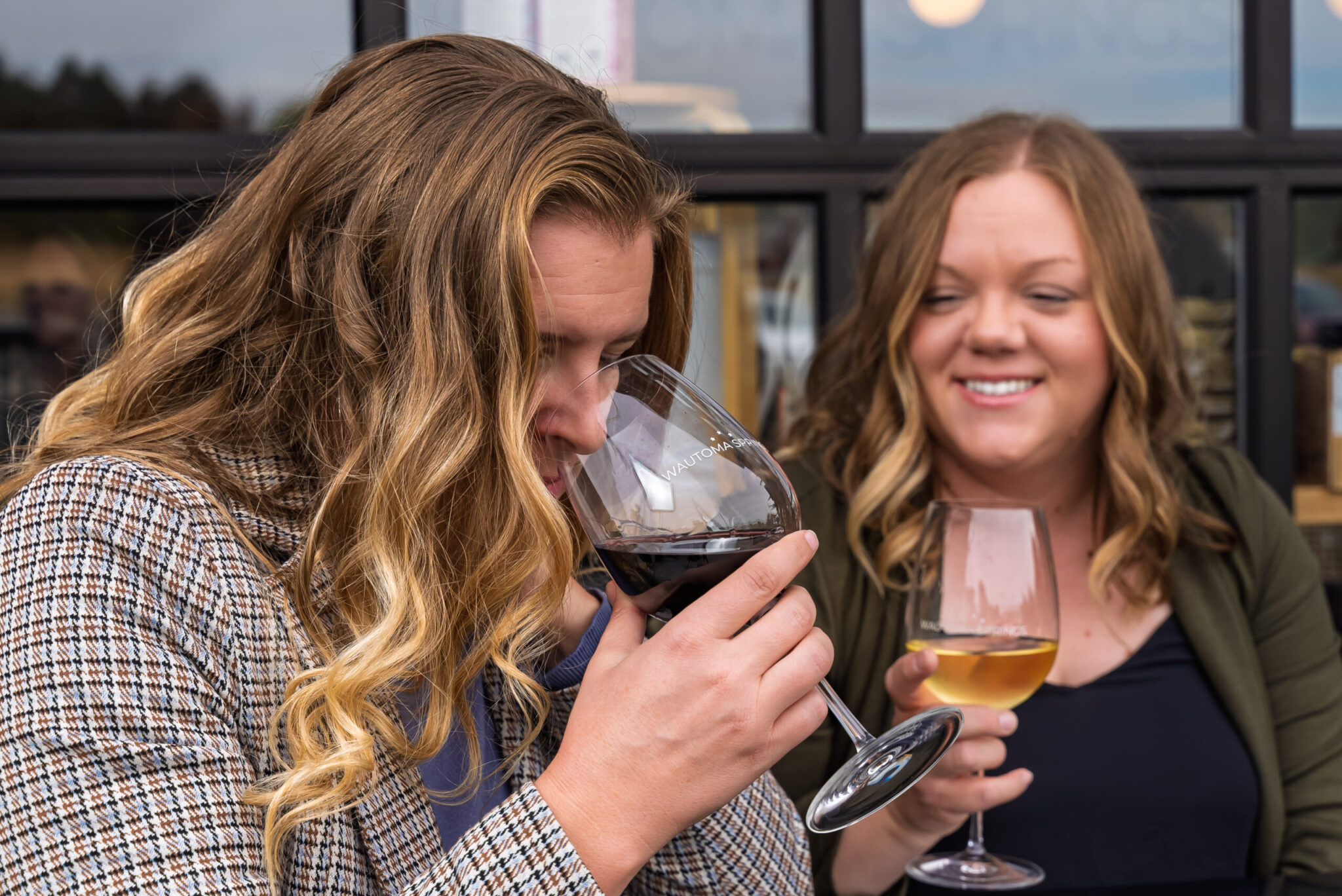
Wine tasting in Prosser, WA is relaxed, welcoming, and easy to enjoy, even if it’s your first time visiting a tasting room. You don’t need to know all the right wine words, recognize every varietal, or pretend to be an expert. Most tasting rooms are used to helping visitors explore what they like, ask questions, and enjoy the experience at their own pace.
That’s part of what makes Prosser a good place to start. The wine here is rooted in serious Washington wine country history, but the tasting experience doesn’t have to feel formal or intimidating. Prosser Wine Country is small enough to feel manageable, friendly enough for beginners, and full of wineries where the people pouring often have a real connection to the vineyards, wines, or local community.
Quick guide for first-time wine tasting in Prosser
- Buy what you actually like. You don’t have to purchase wine after every tasting, but buying a bottle is a great way to support a winery when you find something you enjoyed.
- Start with two or three wineries. That’s enough variety for a first visit without making the day feel rushed.
- Eat before your first tasting. Wine tasting is much more enjoyable when lunch isn’t an emergency.
- Tell them you’re new. A simple “This is my first time wine tasting — where should I start?” is completely normal.
- You don’t have to finish every pour. It’s okay to taste, decide a wine isn’t for you, and move on.
- Ask simple questions. Try “Is this dry or sweet?” or “What would you recommend if I usually like red wine?”
- Check current details before you go. Hours, reservations, food options, and event schedules can change.
What happens during a wine tasting?
Most wine tastings follow a simple rhythm. You arrive at the tasting room, check in, and choose from the tasting options available that day. Some wineries offer a set flight, while others may let you choose a few wines from a list.
A tasting flight usually includes several small pours. As you taste, the person pouring may tell you about the wine, where the grapes were grown, what flavors people often notice, or what food it might pair well with. You can ask questions, compare different wines, take notes, or simply enjoy the moment.
You don’t have to finish every pour. You don’t have to love every wine. And you definitely don’t have to describe what you’re tasting in a way that sounds impressive.
A typical tasting room visit might look like this:
- You check in at the tasting bar or host area.
- You choose a tasting flight or ask what’s available.
- The winery team pours small samples of several wines.
- You taste at your own pace.
- You ask questions if you want to.
- You decide whether to buy a bottle, join a wine club, or continue to your next stop.
Good to know:
It’s completely normal to say, “This is my first time wine tasting.” That gives the person pouring a chance to guide you toward wines that make sense for your taste.
Do you need reservations for wine tasting in Prosser?
Some Prosser wineries welcome walk-ins, while others may recommend or require reservations, especially for groups, weekends, holidays, or special events. The safest approach is to check each winery’s current hours and tasting policies before you go.
Reservations aren’t always necessary, but they can make your day smoother. This is especially true if you’re visiting during a busy event weekend, traveling with a larger group, or hoping to taste at a specific time.
Check before you go if:
- You’re visiting with a group.
- You’re planning around a specific winery.
- You’re traveling during a major event weekend.
- You want food, outdoor seating, or live music.
- You’re bringing a dog.
- You’re visiting during winter, holidays, or shoulder season.
Planning tip:
If there’s one winery you really don’t want to miss, check its current policy before you build the rest of your day around it.
How many wineries should you visit the first time?
For a first wine tasting day in Prosser, two or three wineries is usually enough. That gives you a chance to try different wines and tasting room styles without making the day feel rushed.
One winery can be plenty if you’re short on time, pairing the tasting with lunch, or visiting during an event. Four wineries can work if you start earlier, plan food, and keep your stops close together. More than that can start to feel like you’re checking places off a list instead of enjoying them.
A realistic first-time tasting pace:
- One winery: Good for a quick stop, event, or low-key introduction.
- Two wineries: Relaxed and easy for most first-time visitors.
- Three wineries: A good balance of variety and breathing room.
- Four wineries: Doable with food, water, and a simple route.
- Five or more wineries: Usually too much for a first tasting day.
What should you ask at a wine tasting?
You don’t need clever questions. Simple questions are usually the most helpful.
If you’re not sure what you like yet, say that. If you usually like something sweet, bold, crisp, light, or easy to drink, mention it. The person pouring can usually point you toward a good place to start.
Easy questions for first-time wine tasting:
- “I’m new to wine tasting. Where should I start?”
- “What’s popular with first-time visitors?”
- “Which wines are grown locally?”
- “What’s the difference between these two?”
- “Do you have something lighter?”
- “Do you have something bold but smooth?”
- “Is this wine dry or sweet?”
- “What would you recommend if I usually like red wine?”
- “What would you recommend if I usually like white wine?”
- “Which wine surprises people?”
These questions are normal. Tasting room staff hear them often, and they’re a good way to learn without turning the visit into a wine class.
What wine terms are actually helpful to know?
You don’t need a full wine vocabulary before your first tasting, but a few basic terms can make the experience easier.
Dry
A dry wine doesn’t taste sweet.
Sweet
A sweet wine has noticeable sweetness.
Light-bodied
A lighter wine feels more delicate or easy-drinking.
Full-bodied
A full-bodied wine feels richer, heavier, or more intense.
Crisp
A crisp wine usually tastes bright, fresh, or refreshing.
Tannins
Tannins create the drying feeling you may notice with some red wines.
Flight
A flight is a small lineup of wines served together for tasting.
That’s enough to get started. You’ll learn more naturally as you taste.
Good to know:
You can always describe wine in everyday language. “I like this one because it’s lighter” is more useful than forcing wine terms you don’t normally use.
What wine tasting etiquette should beginners know?
Wine tasting etiquette is mostly about being considerate, curious, and realistic about your pace. You don’t need to act formal, but a few basics can make the experience better for you, the winery team, and the people around you.
Beginner wine tasting etiquette:
- Greet the person pouring when you arrive.
- Ask how the tasting works if you’re not sure.
- Don’t feel pressured to finish every pour.
- Use the dump bucket if one is provided.
- Avoid wearing strong perfume or cologne.
- Ask before bringing outside food.
- Be mindful of other guests during busy times.
- Check group policies before arriving with a larger group.
- Tip when it fits the setting and the service was helpful.
- Buy a bottle if you find something you really enjoy.
The biggest thing? Don’t pretend. If you’re new, say so. If you don’t like a wine, that’s fine. If you have a question, ask it.
Do you have to finish every pour?
No. You don’t have to finish every pour at a wine tasting.
It’s normal to leave wine in the glass, especially if you’re tasting several wines or visiting more than one winery. Many tasting rooms have a dump bucket where guests can pour out wine they don’t want to finish. That may feel awkward the first time, but it’s a normal part of wine tasting.
You can also take a small sip, decide a wine isn’t for you, and move on.
What if you don’t like a wine?
That’s completely normal. You’re not expected to like every wine in a tasting flight.
Part of wine tasting is learning what you enjoy and what you don’t. If a wine isn’t your style, you don’t need a dramatic reaction or a detailed explanation. A simple comment is enough.
Easy ways to say a wine isn’t your favorite:
- “That one’s not quite my style.”
- “I think I like the lighter one better.”
- “I’m still figuring out what I like.”
- “This one might be a little too dry for me.”
- “I usually like something a bit smoother.”
That kind of feedback can actually help the person pouring guide you toward a wine you may like more.
Do you have to buy wine after a tasting?
You don’t always have to buy wine after a tasting, but buying a bottle is a great way to support a winery when you find something you enjoy.
Some wineries may apply tasting fees toward a bottle purchase. Others may have separate tasting fees, wine club benefits, or special pricing. If you’re not sure how it works, it’s fine to ask when you arrive.
You can say:
- “Does the tasting fee apply toward a bottle?”
- “Can I buy this wine to take home?”
- “Do you ship wine?”
- “Can you tell me about your wine club?”
- “Which bottle would you recommend if I liked this tasting?”
Buying wine shouldn’t feel like pressure. It’s simply a way to take home something you liked and support the people who made the visit memorable.
What should you wear wine tasting in Prosser?
Wine tasting in Prosser is usually more relaxed than formal. You’ll see everything from casual weekend outfits to slightly dressier date-night looks.
The best choice is something comfortable, seasonal, and easy to wear if you’ll be walking, sitting outside, or visiting more than one tasting room.
What to keep in mind:
- Wear comfortable shoes.
- Dress for the weather.
- Bring layers if you’ll be out later in the day.
- Choose something you can sit, walk, and relax in.
- Avoid strong perfume or cologne because scent can affect the tasting experience.
You don’t need to dress up to fit in. Comfortable and put-together is usually the right balance.
Should you eat before wine tasting?
Yes. Eat before your first tasting, especially if you plan to visit more than one winery.
Wine tasting is more enjoyable when you’re not hungry, and food helps keep the day comfortable. Plan breakfast, brunch, or lunch before your first stop, then think about where food might fit later in the day.
Some wineries may offer snacks, food trucks, or special food events, but availability can change. Check current details if food is important to your plan.
Why Prosser is a good place for your first wine tasting trip
Prosser is a strong choice for first-time wine tasting because it feels approachable without losing the quality and history that make Washington wine country worth visiting.
The area is known as the birthplace of Washington wine, with deep agricultural roots and a long connection to the state’s wine industry. At the same time, the visitor experience feels relaxed and manageable. You can explore local tasting rooms, ask beginner questions, meet people connected to the wine, and enjoy the day without feeling like you need to know everything before you arrive.
That balance matters. Prosser is wine-serious without being wine-snobby. It’s a place where you can learn, taste, compare, and enjoy the experience at a comfortable pace.
First-time wine tasting cheat sheet
Use this as a quick guide before your first Prosser tasting day.
Best number of wineries
Two or three wineries is a good starting point for most first-time visitors.
Best thing to say
“I’m new to wine tasting. What’s a good place to start?”
Best prep
Eat first, check current hours, bring water, and keep your route simple.
Best mindset
Be curious. You’re there to learn what you like, not prove what you know.
Best souvenir
A bottle you actually enjoyed.
Best reminder
It’s okay not to finish every pour, like every wine, or understand every term.
Common first-time wine tasting mistakes to avoid
Trying to sound like an expert
You don’t need to perform. Simple reactions are more helpful than forced wine language.
Visiting too many wineries
For your first time, two or three stops usually feels better than a packed schedule.
Skipping food
Eat before you taste and plan food into the day if you’ll be out for several hours.
Wearing strong scents
Perfume and cologne can interfere with the aromas of the wine for you and the people around you.
Feeling like you have to finish every pour
You don’t. Taste what you want, use the dump bucket if one is available, and pace yourself.
Not asking questions
Tasting rooms are used to questions. Asking is part of the experience.
Start planning your first Prosser wine tasting trip
Your first wine tasting trip doesn’t need to feel complicated. Choose two or three wineries, check current hours, eat before you start, and give yourself permission to ask questions along the way.
Prosser Wine Country is a welcoming place to learn what you like, meet people connected to the wine, and enjoy Washington wine country at a pace that feels easy.